
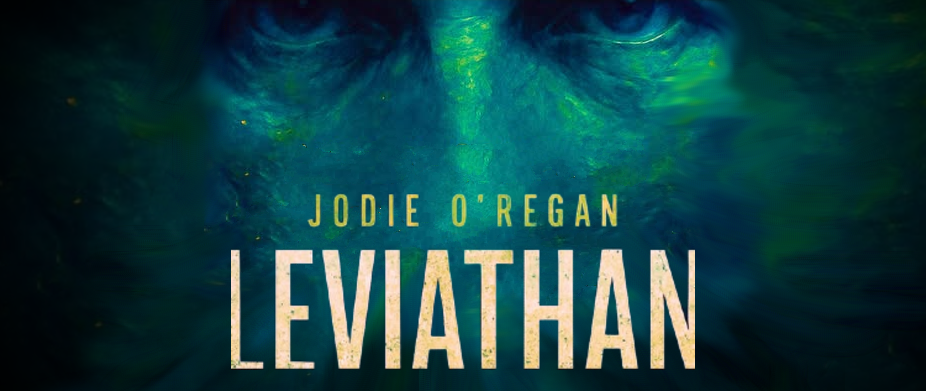
An Ocean Epic
Leviathan is a large-scale work of fear and hope for the ocean in my home state of South Australia. Scored for solo and ensemble voices. and chamber orchestra, it will unfold across four movements in a grand symphonic arc.
After several years of development and momentum built through concert performances, I will complete the score in 2026 and then explore my vision for Leviathan as a dramatic performance work, blending music with physical action, lighting, puppetry, and multimedia projection.
The Ocean
The work draws from two significant ocean events: the nineteenth-century slaughter and gradual return of whales in Victor Harbor, and the recent algal bloom that has spread across our seas. Both are stories of human damage, and the complexity of hope — the naive, reckless hope that fuels devastation, and a slower, wiser hope that seeks repair.
I began Leviathan during the COVID lockdowns, yearning for creating work on themes of hope and restoration. I originally imagined the final movement as “Sanctuary”, recognising the safe harbour Encounter Bay has become for whales in the twenty-first century. But as the piece has developed, the world has grown darker, and the algal bloom has become part of daily life along the South Australian coast.
My sense of hope for this work became complex, as I wanted to incorporate the grief and fear of this ecological disaster.
But even amongst the smell of dead fish on our beaches, I see people still seeking wiser hope, asking what can be done, and finding ways to comfort and support each another.
In The World So Far
I have written Leviathan one movement at a time. Three movements have now been performed as concert works in South Australia, with beautiful, musicians, supported by Chamber Music Adelaide, Windsong Quintet, the South Australian Museum, CreateSA, and other organisations.
Through this slow, deep process I have developed the work’s intricate sound world and responded to audiences and musicians. I have collaborated with a range of creatives and designers to explore early production ideas, including costuming, character, movement, and an initial bespoke, responsive multimedia pilot.
For South Australian audiences and musicians, encountering the work through these instalments has built a growing sense of investment, curiosity and excitement about where Leviathan will go next.
During the early nineteenth century whales in South Australia’s Encounter Bay were slaughtered to near extinction.
The empty ocean grieved for 100 years, before whales began to return.
Now each winter, mother whales bring their calves to the bay and from the shore, humans watch in wonder.


Movement One - The Sea
for four baritone soloists, male voice choir and percussion. Premiered November 2025 SA Museum
This movement sets the work in the nineteenth century when the need for whale oil drove men across the oceans to hunt and slaughter whales. The work is masculine and muscular, with male voices and percussion centered around an orchestral bass drum. The performers sing, shout, chant and create vocal sound effects and body percussion. I was inspired by the all-in theatricality of heavy metal band Manowar’s album Gods Of War, Orff’s Catulli Carmina and the full rich sound of Russian male voice choirs to create the story. Leviathan begins with the call of the sea, then a jingoistic hymn for the industrial age, a frenzied and bloody hunt as the singers hunt the leviathan until finally the men and their whaling boat smash and sink forever. For the libretto I created a montage with fragments of nineteenth century poems to create the world of men and ocean, of misguided adventure, naive optimism and the final grief of despair, with words from John Philip Sousa, Thomas Carlyle, Charlotte Smith, Vincent Van Gogh, Lord Tennyson, A E Housman and Rudyard Kipling.
Movement Two - Elegy For A Grieving Ocean
for wind quintet, baritone soloist and percussion. Premiered November 2024 SA Museum
For one hundred years the ocean grieved. This movement was commissioned by Linda Pirie for her ensemble Windsong Quintet, and workshopped with funding from Chamber Music Adelaide. The concert version of this movement was premiered in November 2024. I wanted the expressive colours of the winds to create the juxtaposition of the constant motion of the sea with the sorrow and longing of the empty ocean.
For this performance my husband developed a realtime responsive multimedia projection using microphones to hear the sounds from the instruments, and drive elements of a projection.
Movement Three - Cana Cludhmor
for soprano and extended technique piano. Premiered Adelaide Town Hall. 2024
A mediaeval Irish story of how the first Irish harp was invented, inspired by the sound of wind through the bones of a whale skeleton. Death, music, invention, new beginnings. This movement was commissioned by Chamber Music Adelaide. In Night Whales this movement will express how human imagination and invention can create something as beautiful as a harp, or as fragile as the possibility of hope. More here… In later productions this movement will incorporate sculptural elements with animated fabric.
Movement Four - Sanctuary
featuring mezzo-soprano, and incorporating all the forces in the work.
This will express the experience of watching whales return to the Bay. The music will begin with a solo flute and mezzo-soprano, singing out in the darkness, and slowly build, adding an instrument at a time, as the sun rises, and whales and hope return. In later productions, we will add individual sound shells for each musician.
Listen
Excerpts of Elegy For A Grieving Ocean workshop session and a live recording of the concert version of Cana Cludhmor.
Connect